When we think of Greece, we immediately imagine ancient temples, white villages perched above the Aegean Sea, and flamboyant sunsets. However, another fascinating world lies just below the surface: Greece is also an exceptional destination for scuba diving. Accessible, bright, and steeped in history, it offers a unique experience where nature, culture, and adventure come together.
An underwater setting of exceptional clarity
One of the greatest assets of diving in Greece is undoubtedly the visibility. Thanks to a low concentration of plankton, Greek waters are among the clearest in the Mediterranean, with visibility reaching up to 30 to 40 meters. This clarity transforms every dive into a true visual exploration, ideal for both beginner and experienced divers.
Picture provided by Blue Island Divers
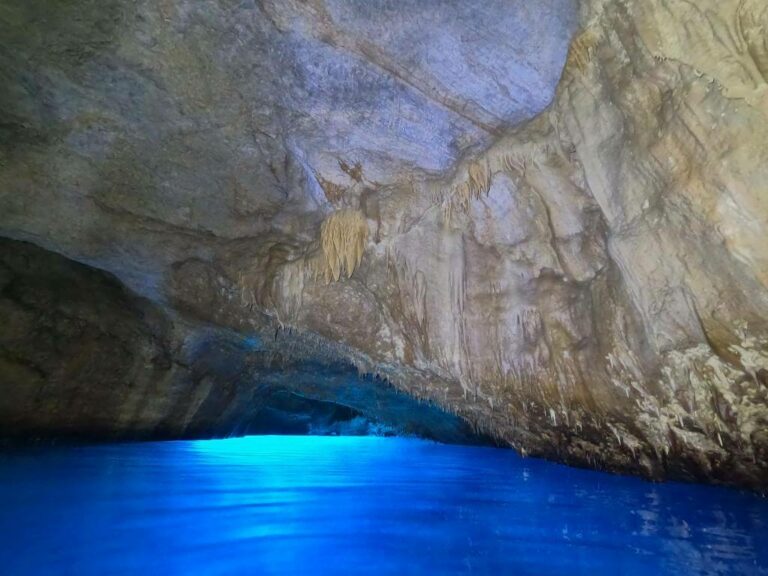
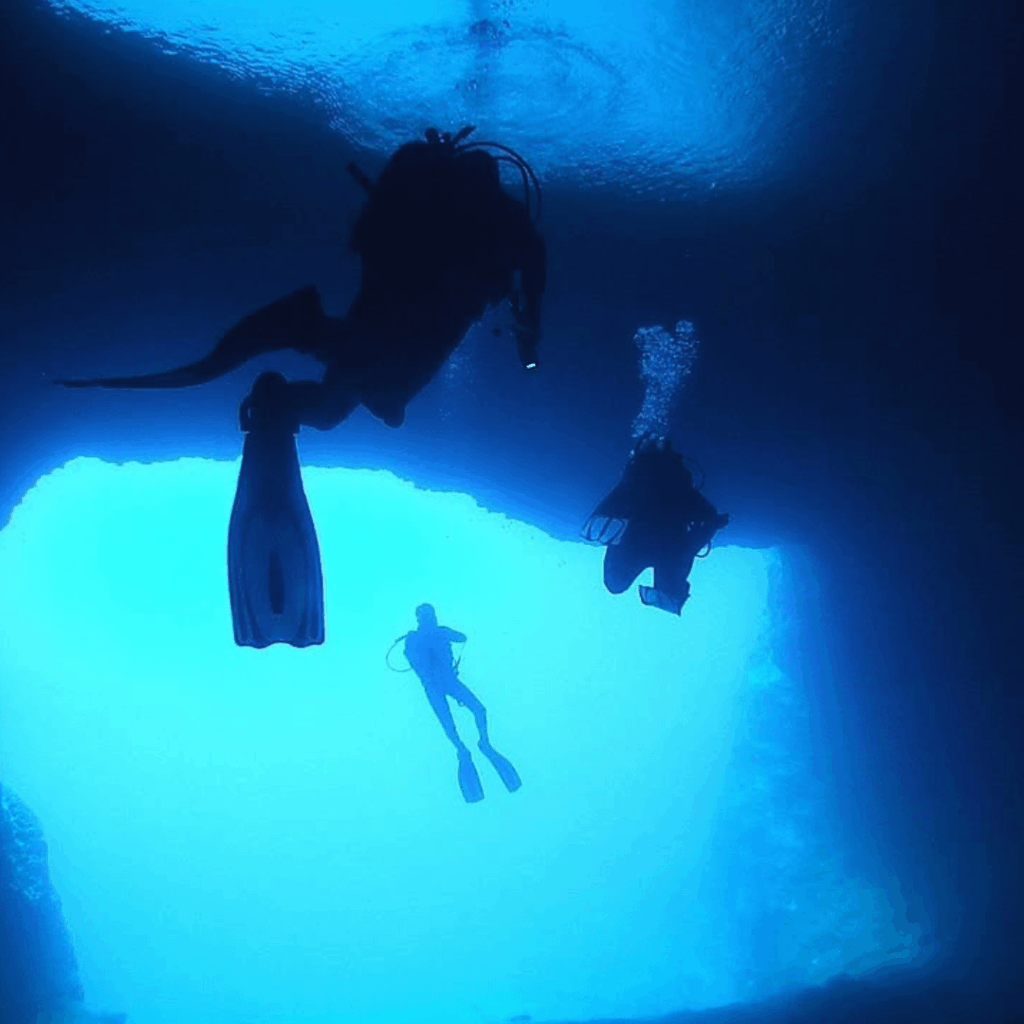
The Greek seabed is varied: caves, caverns, rocky cliffs, reefs, shipwrecks, and natural arches follow one another along the islands and coastline. The limestone rock, sculpted by time, creates spectacular landscapes where light plays with the relief, offering an almost mystical atmosphere.
A discreet but fascinating marine fauna
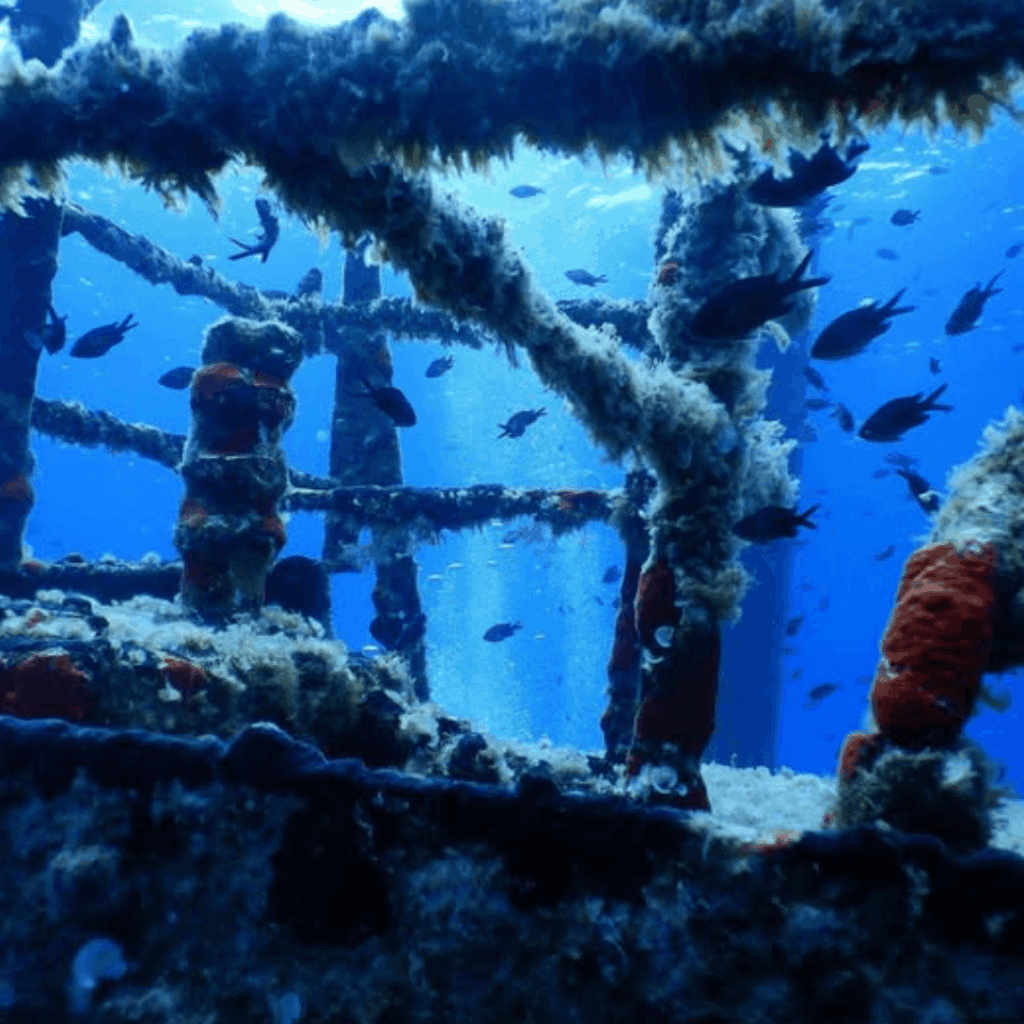
The Mediterranean does not have the highest concentration of fish in the world, but Greece has some wonderful surprises in store for attentive divers. Schools of sars, Mediterranean barracudas, damselfish, colorful wrasses, and brown groupers, emblematic of the region, are regularly observed here.
Picture provided by Blue Island Divers
Picture provided by Blue Island Divers
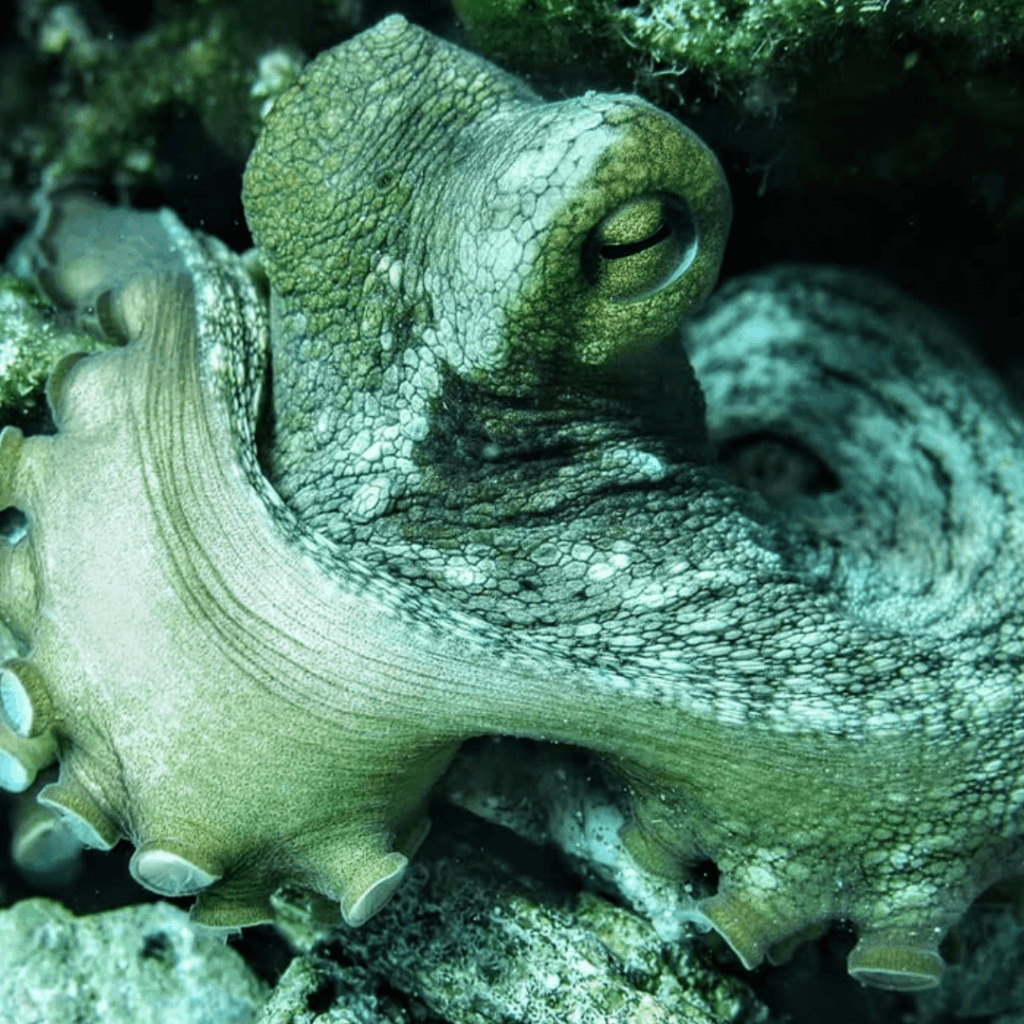
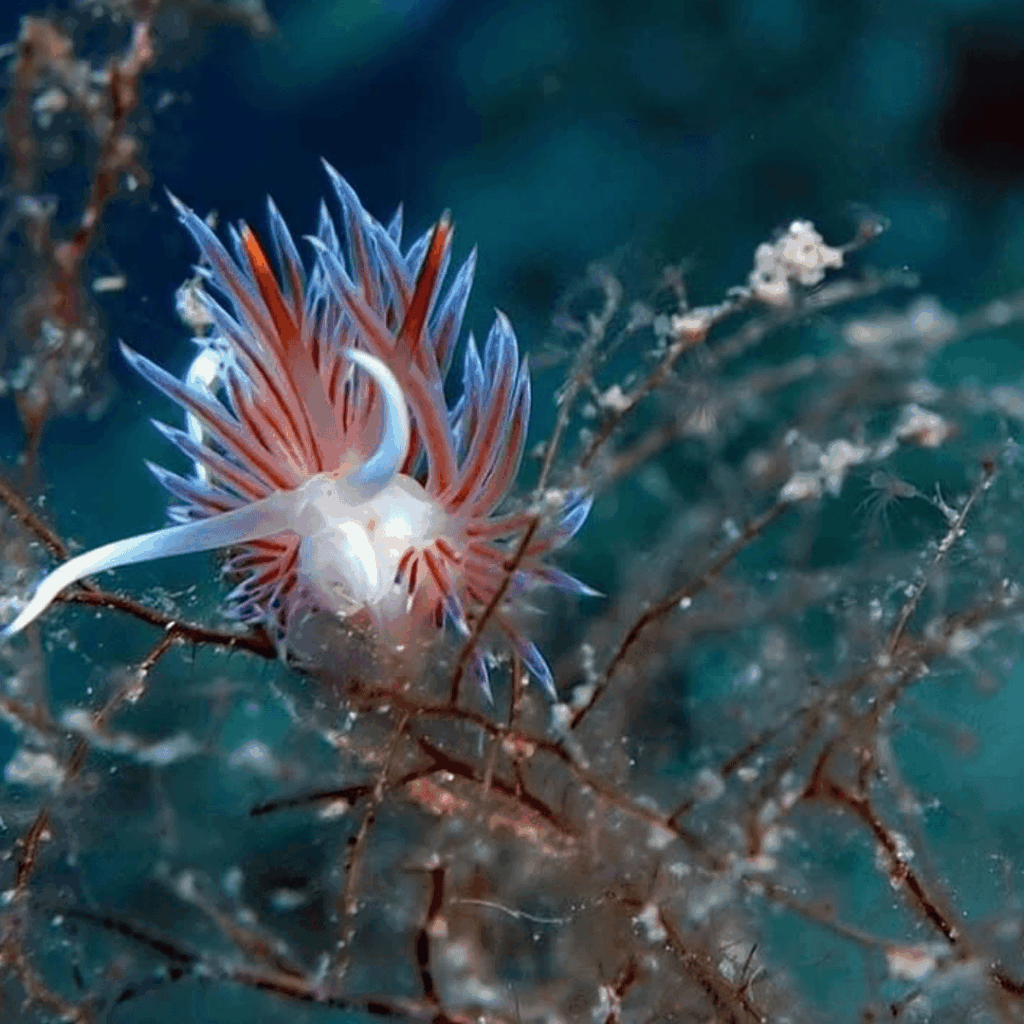
Macro enthusiasts are not left out: nudibranchs, octopuses, cuttlefish, moray eels, and seahorses hide in the rocky crevices. With a little luck, you may even encounter rays, dolphins, or even the famous loggerhead sea turtle (Caretta caretta), a protected species emblematic of Greek waters.
Unique shipwrecks and archaeological sites
Diving in Greece is also like traveling back in time. The country has an exceptional underwater heritage, with shipwrecks dating from different eras: ancient ships, World War II cargo ships, and abandoned fishing boats.
Some areas even contain underwater archaeological remains, such as perfectly preserved ancient amphorae. Although diving at archaeological sites is strictly regulated for their protection, their mere presence adds a unique cultural dimension to every dive.
Picture provided by Blue Island Divers
Pleasant water temperature for most of the year
The water temperature in Greece is ideal for diving. In summer, it varies between 22 and 27°C (72 – 77°F), sometimes higher in shallow areas. In spring and fall, it ranges between 18 and 22°C (64 – 72°F), which is still very comfortable with a suitable wetsuit.
This mild temperature allows you to dive several times a day without excessive fatigue, while fully enjoying the underwater landscapes.
When is the best time to go diving in Greece?
Picture provided by Blue Island Divers
The diving season generally runs from April to November. The best time to dive is between May and October, when weather conditions are stable, the sea is calm, and the water temperature is optimal.
June and September are particularly popular: the water is warm, tourist numbers are lower, and visibility is excellent. Summer, although very popular, offers ideal conditions for beginners and training.
Destinations for all levels
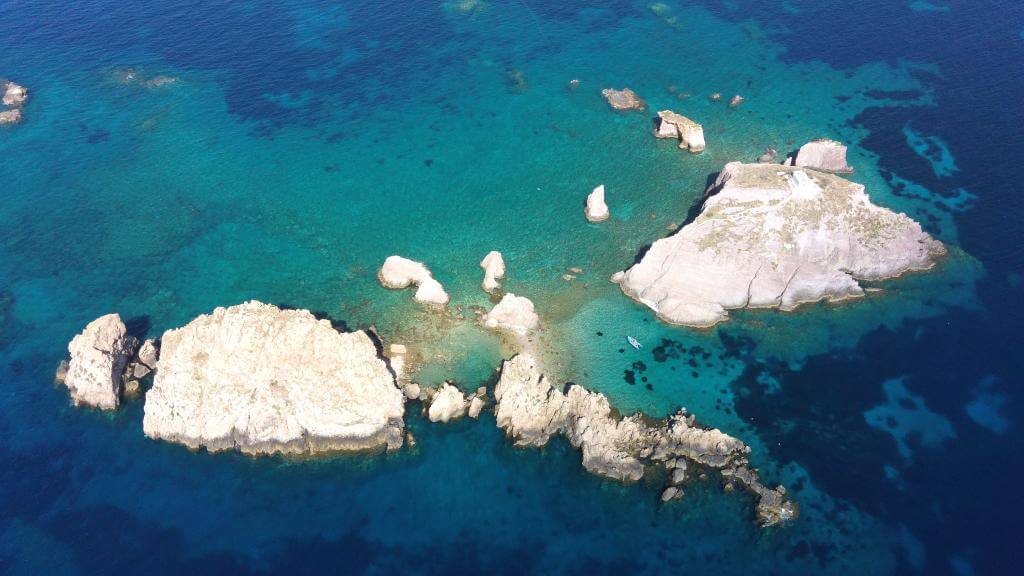
Greece has hundreds of diving spots spread across the Aegean Sea, the Ionian Sea, and Crete. Islands such as Zakynthos, Crete, Rhodes, Kos, Corfu, and the Cyclades offer well-equipped diving centers and sites suitable for all levels.
Beginners will enjoy shallow, sheltered dives, while experienced divers can explore deep caves, vertiginous drop-offs, and more technical wrecks.
Why choose Greece for diving?
Diving in Greece is much more than just a sporting activity. It’s an opportunity to combine diving, culture, and lifestyle. After a dive, what could be better than a meal overlooking the sea, a stroll through a traditional village, or a visit to an ancient site?
Greece also appeals for its accessibility: modern infrastructure, professional diving centers, costs that are often more affordable than in exotic destinations, and legendary hospitality.
Picture provided by Blue Island Divers
An authentic and enlightening experience.
Whether you are passionate about diving, love underwater photography, or are simply curious and looking for new experiences, Greece offers a balanced, authentic, and deeply exotic experience. With crystal-clear waters, underwater landscapes sculpted by time, and incomparable cultural richness, every dive becomes an unforgettable memory.
So, are you ready to discover Greece in a different way… below the surface?
Want to go diving in Greece?
Discover our partner diving center: Blue Island Divers. It is located on the small island of Antiparos and offers a great diving experience for both scuba divers and freedivers.